
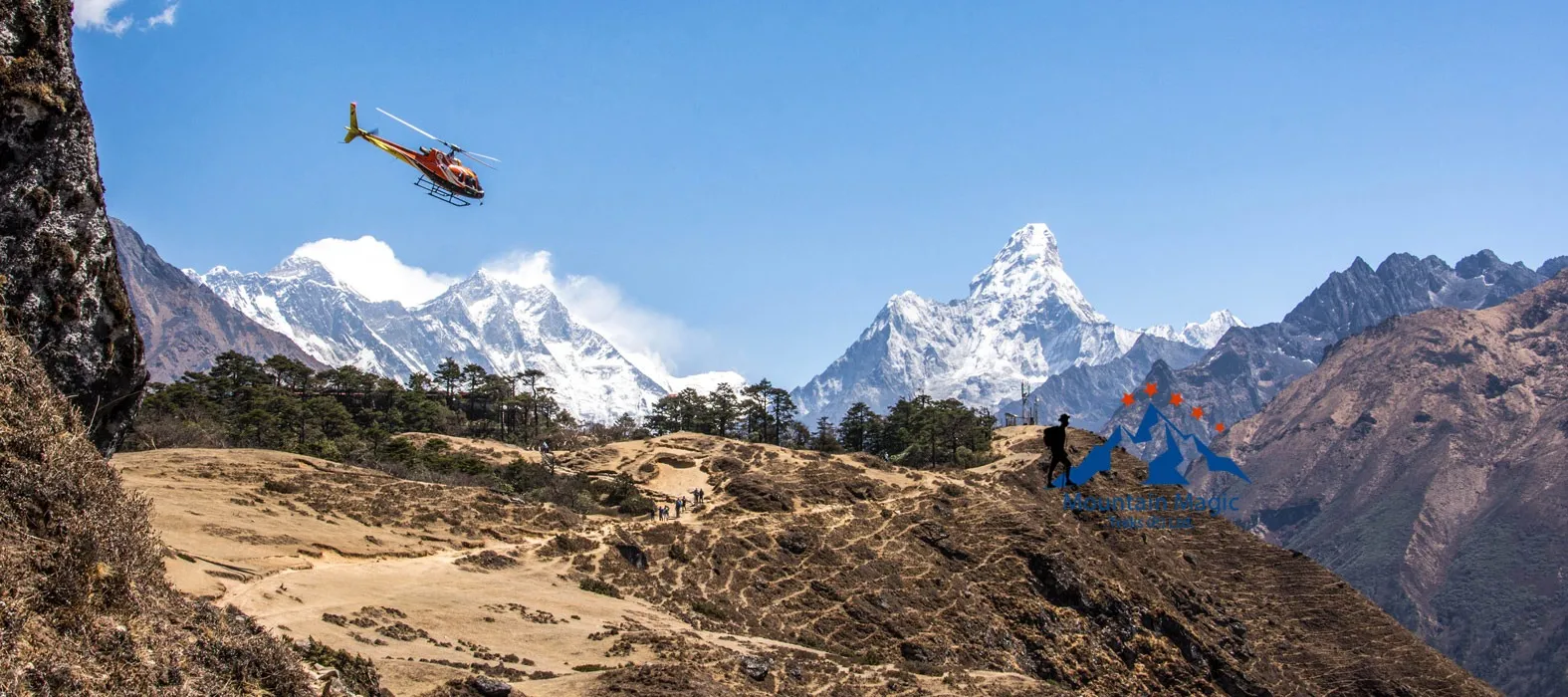
Reaching Everest Base Camp is a dream for many travelers. But not everyone wants to spend several days walking back after reaching the famous base camp. That is where the Everest Base Camp Trek With Helicopter Return offers a different kind of adventure.
You still get to walk through mountain villages, cross suspension bridges, meet local people, and enjoy views of some of the world’s highest peaks. The big difference comes at the end. Instead of retracing the trail on foot, you can take a helicopter flight back toward Kathmandu.
This mix of trekking and flying can save time while still giving you a real Himalayan experience.
What Makes This Trek Different?
A normal Everest Base Camp trek requires walking both ways. That means you need more days, more energy, and more time away from work or family.
With an Everest Base Camp Trek With Helicopter Return, the return journey is much shorter. After reaching the Everest region and completing the trek to base camp, a helicopter can take you over the mountains and back toward Kathmandu.
This is useful for travelers who want to see Everest but have limited vacation time.
You also get something that a normal trek cannot offer: an aerial view of the Himalayan landscape.
The Trek Is Still a Real Mountain Adventure
It is easy to think that a helicopter return makes the trip easy. It does not.
You still have to walk at high altitude. The trail has steep climbs, rocky sections, stone steps, and long walking days. Your body needs time to adjust to the thin mountain air.
Walking Through Sherpa Villages
The journey takes you through villages in the Khumbu region. You may see prayer wheels, small mountain homes, Buddhist monasteries, and colorful prayer flags along the trail.
Places such as Namche Bazaar are not just stopping points. They are part of the experience.
You can watch trekkers from around the world pass through the same narrow streets while local shops and cafes keep the town busy.
The Mountain Views Keep Changing
One of the best parts of the trek is that the scenery does not stay the same.
At lower elevations, you may walk through green forests. Higher up, the landscape becomes more open and rocky. As you gain altitude, huge peaks begin to dominate the horizon.
You may see Everest, Lhotse, Nuptse, Ama Dablam, and other Himalayan giants during the journey.
Why Choose a Helicopter Return?
The main reason is time.
Walking back from Everest Base Camp can take several more days. A helicopter return can cut that part of the journey dramatically.
This makes the Everest Base Camp Trek With Helicopter Return a practical choice for people who cannot take a long vacation.
It can also be helpful if you feel that your body has had enough after reaching base camp. Instead of spending more days walking downhill, you can leave the mountains by air.
There is another benefit too. Flying over the Himalayas gives you a completely different view of the region.
What Should You Prepare For?
Good preparation still matters.
Before starting the trek, make sure you are ready for long walking days and changing weather. Pack light, but do not leave out important items.
Useful things include:
-
Warm layers
-
Comfortable trekking shoes
-
A waterproof jacket
-
Sunglasses and sunscreen
-
Water bottles
-
Basic medicines
-
Gloves and a warm hat
-
A small daypack
-
A sleeping bag suitable for cold weather
You should also drink enough water and avoid rushing the climb.
Take Altitude Seriously
Altitude is one of the biggest challenges on this trek.
As you climb higher, there is less oxygen in the air. You may notice headaches, tiredness, poor sleep, or shortness of breath.
Do not treat these signs as something you must simply push through. Rest and follow your guide’s advice. A safe trek is more important than reaching a point on a planned schedule.
When Is a Good Time to Go?
Spring and fall are generally popular seasons for trekking in the Everest region.
March through May often brings good mountain views and pleasant trekking conditions. September through November is another popular period, with clearer skies often offering impressive views.
Mountain weather can change quickly, though. A helicopter flight also depends on safe flying conditions. Flights may be delayed when clouds, strong winds, or poor visibility make flying unsafe.
Who Is This Trek Best For?
The Everest Base Camp Trek With Helicopter Return can suit several types of travelers.
It is especially useful for:
-
People with limited vacation time
-
Travelers who want to reduce the return walking days
-
First-time Himalayan trekkers with proper preparation
-
Photographers who want both trail and aerial views
-
Travelers looking for a different Everest experience
It is not a shortcut that removes the hard parts. You still need enough fitness and preparation for high-altitude trekking.
Final Thoughts
The Everest Base Camp Trek With Helicopter Return combines two very different ways of experiencing the Himalayas. You earn the journey on foot, experience the villages and mountain trails, reach the famous base camp, and then see the region from above on your return.
For travelers who want the Everest experience without spending extra days walking back, this can be a smart option.
The mountains are the main attraction, but the journey is what makes the trip memorable. Take your time, respect the altitude, listen to your guide, and enjoy every part of the trail.
Frequently Asked Questions
Is the helicopter return safe?
Helicopter flights depend on weather and visibility. Flights should only operate when conditions are considered safe.
Does the trek still require acclimatization?
Yes. A helicopter return does not remove the effects of high altitude. Proper acclimatization is still important.
How long does the helicopter return take?
The flight time can vary based on the route, weather, landing conditions, and flight arrangements.
Is this trek suitable for beginners?
A beginner can attempt it with proper preparation and guidance, but high-altitude trekking should not be underestimated.
Can the helicopter flight be delayed?
Yes. Mountain weather can change quickly, so flight schedules may change for safety reasons.