
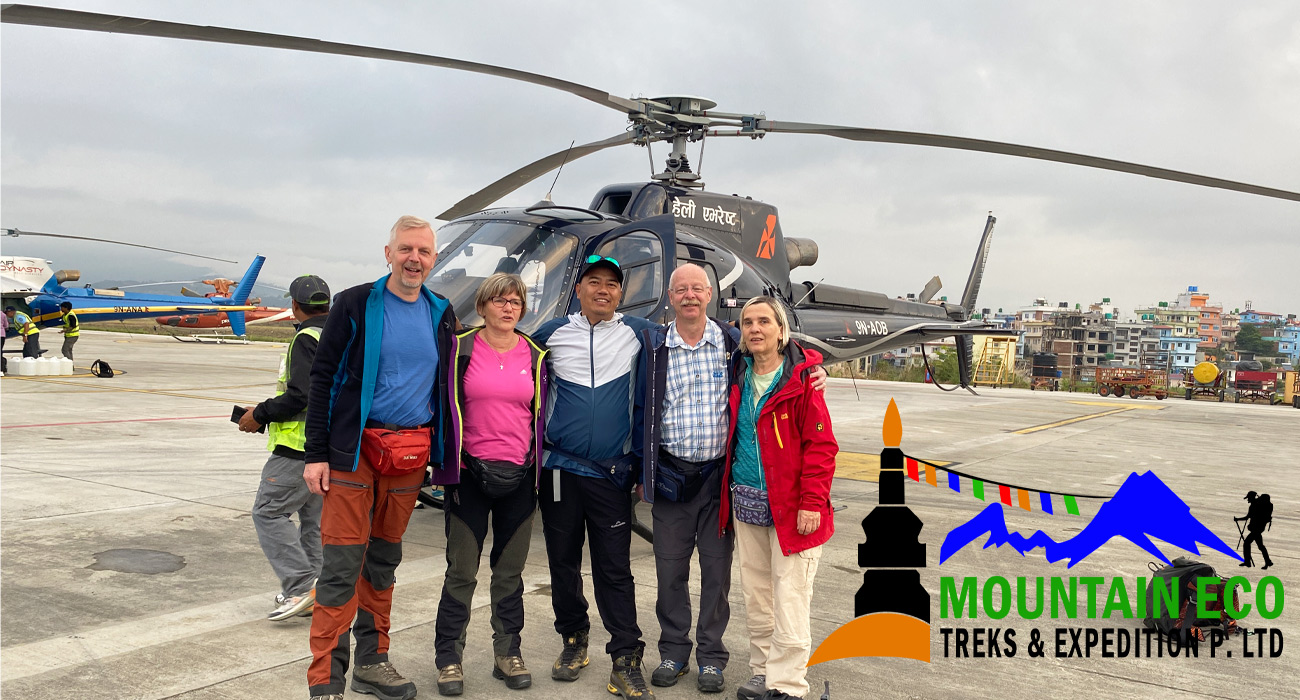
 A trip to the Everest region can take a large part of your vacation. The walking route is long, and returning on foot adds even more days to the journey.
For some travelers, that is not practical.
The Everest Base Camp Trek With Helicopter Return offers another way to plan the adventure. You still walk through the Khumbu region and reach Everest Base Camp on foot, but you can replace the long return trek with a helicopter flight.
This approach can make the famous Himalayan journey easier to fit into a busy travel schedule without removing the main trekking experience.
When Vacation Days Are Limited
Taking a long trip is not always simple.
You may have work commitments, family plans, limited paid leave, or an international flight schedule to consider. Spending extra days walking back from Base Camp may not be possible.
That is where a shorter return can make a practical difference.
Use Your Time Where It Matters
If you have fewer days available, you may prefer to spend them experiencing the part of the route you care about most.
Walking toward Base Camp gives you the gradual change in landscape, local villages, and high mountain atmosphere that make the trek special.
Once that goal is complete, flying back can reduce several days of travel.
The Journey Still Starts on Foot
A helicopter return does not turn the trip into a sightseeing flight.
You still need to walk through the Everest region.
That means you experience the trail at a natural pace instead of simply flying over it.
Walking Creates a Better Sense of Distance
Mountains can look close from a photograph.
On foot, you learn how large the landscape really is.
A village that appears tiny in the distance may take hours to reach. A mountain ridge that looks nearby can remain in view for most of the day.
That sense of distance is something you cannot get from a helicopter alone.
Build Your Days Around Recovery
A busy schedule should not mean pushing your body too hard.
High-altitude trekking is different from walking around a city or doing a short hike at home.
You need time to rest, eat, sleep, and adjust to the elevation.
Do Not Turn the Trek Into a Competition
Some trekkers naturally walk faster than others.
Trying to keep up with them can waste your energy.
Your goal should be steady progress. A comfortable pace helps you enjoy the scenery and arrive at your overnight stop with enough energy for the next day.
See the Region Before the Crowds
Early mornings can offer a quieter experience on the trail.
The light is softer, the air is usually cool, and many trekkers have not yet started moving.
You may hear birds, running water, or the sound of footsteps before the trail becomes busier.
An Early Start Has More Than One Benefit
Starting early can give you more daylight for walking.
It can also give you time to stop at viewpoints without feeling rushed.
In the mountains, a few quiet minutes can be worth much more than another photograph taken in a hurry.
Make Time for the Villages
One of the easiest mistakes is treating every village as a place to sleep and leave.
The settlements along the route offer a look at life in the Khumbu.
You can see local homes, shops, prayer flags, small bakeries, tea houses, and people working along the trail.
Ask Questions
If you are curious about local life, ask your guide.
You may learn why houses are built in certain ways, how supplies reach remote villages, or how people manage daily life at high elevation.
These conversations can add a human side to the trip.
The Trail Is Always Changing
The landscape does not stay the same from start to finish.
Lower areas can feel green and sheltered. Higher sections become colder, more open, and more rugged.
You slowly leave behind forests and enter a landscape dominated by rocks, glaciers, and huge mountain walls.
Watch the Vegetation Disappear
The changing plants provide a simple way to understand how quickly the environment is shifting.
At lower elevations, trees may surround parts of the trail.
Higher up, vegetation becomes much thinner.
Eventually, the landscape feels almost completely open.
High Altitude Requires Respect
The main physical challenge is not simply the number of miles you walk.
Altitude changes how your body handles exercise.
You may become tired more quickly. Breathing can feel harder. Sleep may also feel different.
Listen Before Your Body Forces You To Stop
Do not ignore unusual symptoms just because you have a schedule.
Tell your guide if you feel unwell. Follow the planned acclimatization process and avoid pushing yourself to keep up with others.
A few extra hours or a changed plan are far better than turning a manageable problem into a serious one.
Reaching the Main Goal
After days of walking, you eventually arrive at Everest Base Camp.
The surroundings are rugged and impressive, with glaciers, rocky terrain, and enormous peaks nearby.
The achievement can feel especially meaningful because you reached the area through your own effort.
Give Yourself a Moment
You do not need to rush away after arriving.
Take photographs, enjoy the scenery, and think about how far you have traveled.
The location is famous, but your personal journey is what makes the visit meaningful.
Why the Return Can Be Different
After reaching Base Camp, the Everest Base Camp Trek With Helicopter Return offers a major change in pace.
Instead of walking back through the same valleys for several days, you can travel by helicopter when conditions allow.
That means the final part of the journey becomes much shorter.
One Flight Can Change the Schedule
The time saved can be useful in several ways.
You may have more room for sightseeing in Kathmandu, more flexibility for your international flight, or simply more time to rest after the trek.
For travelers with limited vacation days, this can be a major advantage.
See the Himalayas From a New Angle
The helicopter does more than save time.
It changes the way you see the landscape.
While walking, your view is often limited by the valley walls and the trail ahead.
From the air, the full scale of the mountains becomes easier to understand.
Look Back at the Route
You may recognize villages and valleys you passed earlier.
Places that seemed far apart on foot can appear surprisingly close from above.
The flight can feel like looking back through the entire trip in a few moments.
Keep Some Flexibility
Time-saving does not mean guaranteed timing.
Helicopter flights in mountain regions depend on weather, visibility, and safe operating conditions.
A flexible plan is therefore important.
Do Not Plan Your Flight Home Too Tightly
If your helicopter is expected in the morning, avoid assuming that you will definitely reach the airport for an international flight a few hours later.
Weather delays can happen.
Adding extra time to your overall travel plan is a simple way to reduce stress.
Who Benefits Most From This Approach?
The Everest Base Camp Trek With Helicopter Return can be particularly useful for travelers who want the trekking experience but cannot spend extra days walking back.
It may suit:
- Professionals with limited vacation time
- International travelers with fixed schedules
- First-time visitors to Nepal
- Photographers who want both trail and aerial views
- Trekkers who prefer not to repeat the return route
The important point is that the trek remains physically demanding. Saving return days does not remove the need for preparation.
A Practical Way to Experience Everest
The Everest Base Camp Trek With Helicopter Return is built around a simple idea: spend your available time on the part of the journey that gives you the most value.
Walk through the Khumbu. Experience the villages. Adjust to the altitude. Reach Base Camp.
Then, instead of using several more days to retrace your steps, take to the air and see the mountains from another perspective.
When Time and Experience Need to Work Together
A limited vacation does not have to mean a limited Himalayan experience.
The Everest Base Camp Trek With Helicopter Return allows you to experience the trail, culture, high-altitude landscape, and achievement of reaching Base Camp while reducing the time needed for the return journey.
The smartest part is not simply the helicopter. It is how the entire trip is balanced around your available time.
You walk for the experience, reach the destination you came for, and then leave the mountains with one final view from above.
Frequently Asked Questions
Is a helicopter return useful for people with limited vacation time?
Yes. It can reduce the number of days needed after reaching Everest Base Camp, making the overall trip easier to fit into a shorter vacation.
Does the helicopter replace the trek to Base Camp?
No. The walking section remains the main part of the journey. The helicopter is used for the return.
Is the trek suitable for busy professionals?
It can be a good option for travelers who have limited leave but still want to experience a major Himalayan trek.
Should I leave extra days in my itinerary?
Yes. Mountain weather can affect helicopter operations, so having some schedule flexibility is wise.
What is the biggest benefit of this trekking style?
The main benefit is the balance between a real trekking experience and a shorter return. You get to walk into the Everest region without spending several additional days walking out.